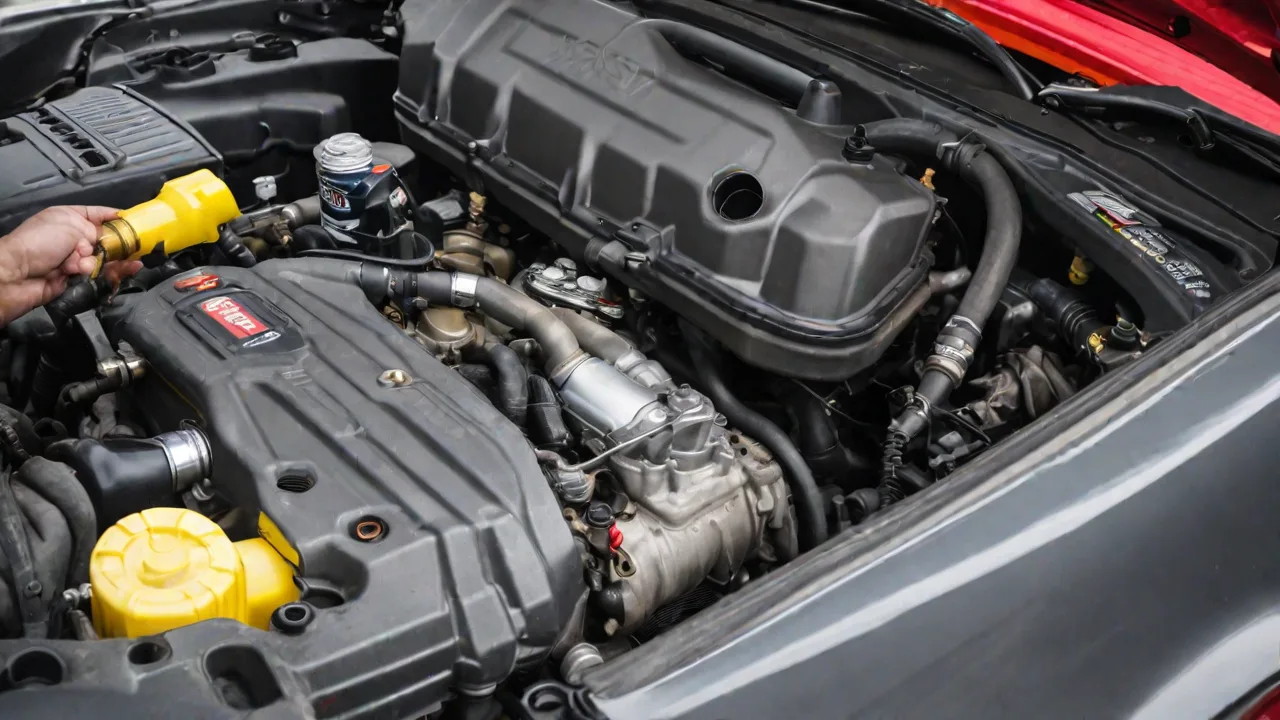
The Importance of Clutch Fluid Quality and How to Change It
The clutch system in a vehicle relies heavily on the quality of its hydraulic fluid, commonly known as clutch fluid. Maintaining the proper fluid quality is essential for smooth operation and to prevent costly repairs. Over time, clutch fluid can degrade due to contamination, moisture, and wear, which can lead to difficulty in shifting gears or even clutch failure.
Why Clutch Fluid Quality Matters
Clutch fluid acts as a hydraulic medium that transfers force from the clutch pedal to the clutch mechanism. If the fluid is contaminated or has absorbed moisture, it can cause corrosion and reduce the fluid's effectiveness. This may result in a spongy clutch pedal, slipping clutch, or complete clutch disengagement.
Signs of Poor Clutch Fluid Condition
- Spongy or soft clutch pedal
- Difficulty shifting gears
- Clutch slipping under load
- Unusual noises when engaging the clutch
- Visible contamination or discoloration of fluid
How to Check Clutch Fluid
Checking clutch fluid is straightforward. Locate the clutch master cylinder reservoir, usually near the firewall on the driver's side. Remove the cap and inspect the fluid level and condition. The fluid should be clear or slightly yellowish and at the recommended level. If it appears dark, cloudy, or has debris, it's time for a change.
How to Change Clutch Fluid
Changing clutch fluid involves draining the old fluid and refilling with fresh fluid. Follow these steps:
- Ensure the vehicle is on a level surface and the engine is cool.
- Locate the clutch master cylinder reservoir and remove the cap.
- Use a syringe or turkey baster to remove old fluid from the reservoir.
- Open the bleeder valve on the clutch slave cylinder, usually accessible near the transmission.
- Attach a clear tube to the bleeder valve and place the other end in a container.
- Have an assistant press the clutch pedal slowly while you open the bleeder valve to let out old fluid.
- Close the bleeder valve before the pedal is released to prevent air from entering.
- Repeat until fresh fluid flows out and the fluid in the reservoir is clean.
- Refill the reservoir to the recommended level with new clutch fluid.
- Test the clutch pedal for firmness and proper operation.
Tips for Maintaining Clutch Fluid
Regular maintenance can extend the life of your clutch system:
- Check the clutch fluid level monthly.
- Replace the clutch fluid every 2-3 years or as recommended by the vehicle manufacturer.
- Inspect for leaks in the hydraulic system.
- Use the correct type of clutch fluid specified in your vehicle's manual.
Maintaining high-quality clutch fluid ensures smooth gear shifts, prevents damage, and prolongs the life of your clutch system. Regular checks and timely fluid changes are vital for safe and efficient vehicle operation.